
Science's latest research: Instead of modifying coding genes, activating rRNA transcription — how do
Science latest research: Instead of modifying coding genes, activate rRNA transcription — how does CRISPRa reshape protein translation and stem cell self-renewal?
In cellular life activities, protein translation is often regarded as an "execution layer" process: genes are transcribed into mRNA, which is then translated into proteins by ribosomes. However, a long-underestimated question is: Can the ribosome production capacity itself actively determine cell fate?
Recently,Sciencepublished a study titled"Manipulation of protein translation and stem cell self-renewal by CRISPR activation of rRNA transcription". This study shifts the perspective from traditional protein-coding genes to ribosomal RNA (rRNA) transcription, proposing a CRISPR activation strategy named TAPIR (Targeted Activation of Protein Translation), which induces 47S rDNA transcription to increase rRNA levels, thereby enhancing cellular protein synthesis capacity and further influencing the proliferation and self-renewal of neural stem cells.
The core insight of this study is:Cell fate is not only determined by "which genes are expressed" but may also be deeply regulated by "how much protein the cell can translate."
Why focus on rRNA transcription?
Ribosomes are the protein synthesis machinery, and rRNA is the core component of ribosomes. In eukaryotic cells, the 45S/47S precursor rRNA is processed to form mature 18S, 5.8S, and 28S rRNAs, which participate in the assembly of the small and large ribosomal subunits.
During processes such as development, stem cell differentiation, tumorigenesis, and ribosomopathies, the rate of rRNA transcription undergoes significant changes. However, due to the high copy number of rDNA, the extremely high abundance of rRNA, and the complex genomic structure, it has been difficult to directly answer one question in the past:Is the change in rRNA levels merely a consequence of altered cellular states, or can it actively regulate cellular behavior?
Traditional research has focused more on mRNA transcriptional regulation, epigenetic modifications, or signaling pathways, whereas this study directly targets the regulation of rDNA/rRNA transcription.
TAPIR: Using CRISPRa to activate 47S rDNA transcription
The research team developed TAPIR, which stands for Targeted Activation of Protein Translation. The basic concept is to use the CRISPR activation system to specifically activate the rDNA region, thereby enhancing the transcription of 47S precursor rRNA. Unlike conventional CRISPR gene editing, TAPIR does not cut DNA, nor does it knock out or repair a protein-coding gene. Instead, it uses an inactivated Cas protein fused with a transcriptional activation module to bring the transcriptional activation signal near the rDNA locus, thereby increasing rRNA transcription levels.
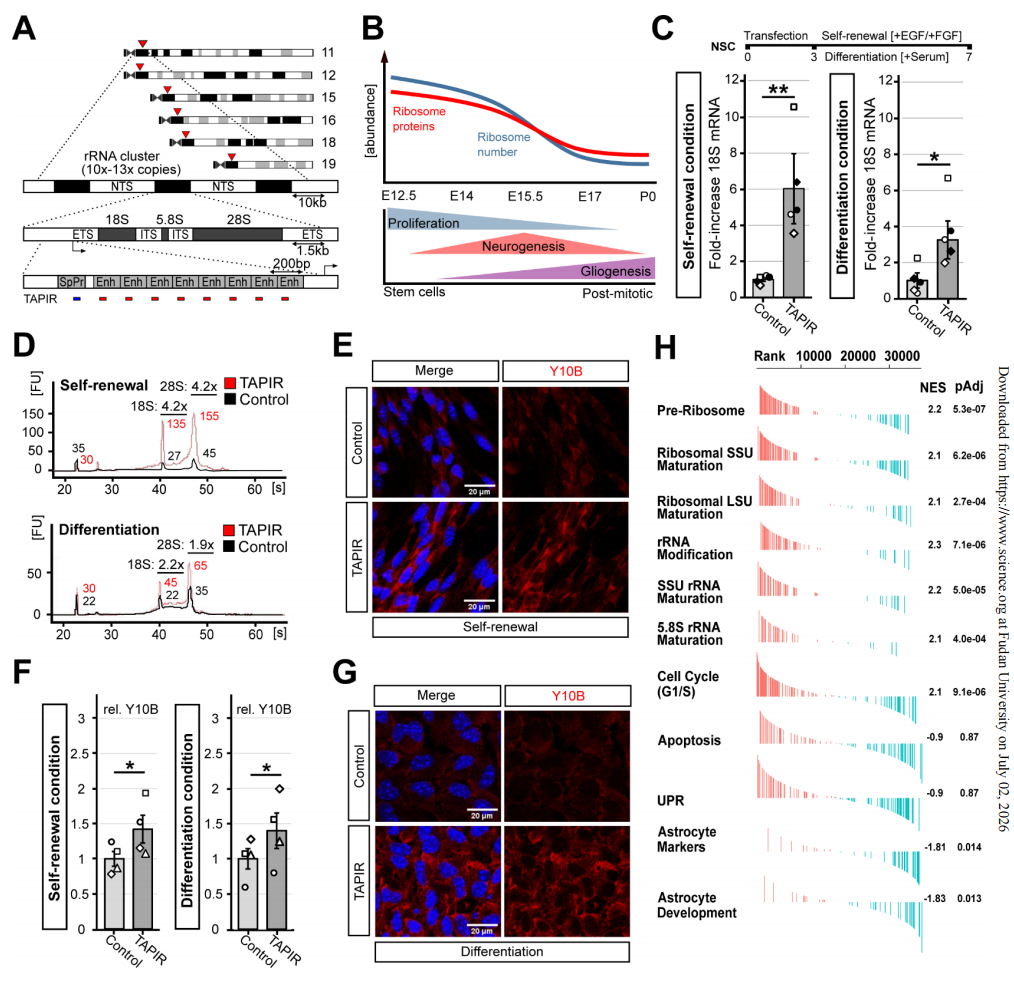
Figure 1 | TAPIR effectively activates rRNA transcription
It can be simply understood as:CRISPRa → activates rDNA transcription → increases rRNA levels → enhances ribosome biogenesis/translation capacity → alters cell state
The significance of this strategy lies in providing a tool to directly regulate "protein synthesis capacity." The reproducible code released by the authors also shows that this study integrates multi-omics data such as RNA-seq, Ribo-seq, and proteomics to analyze the impact of TAPIR on transcription, translation, and protein expression.
Key Finding 1: TAPIR increases nucleolar size and enhances protein synthesis
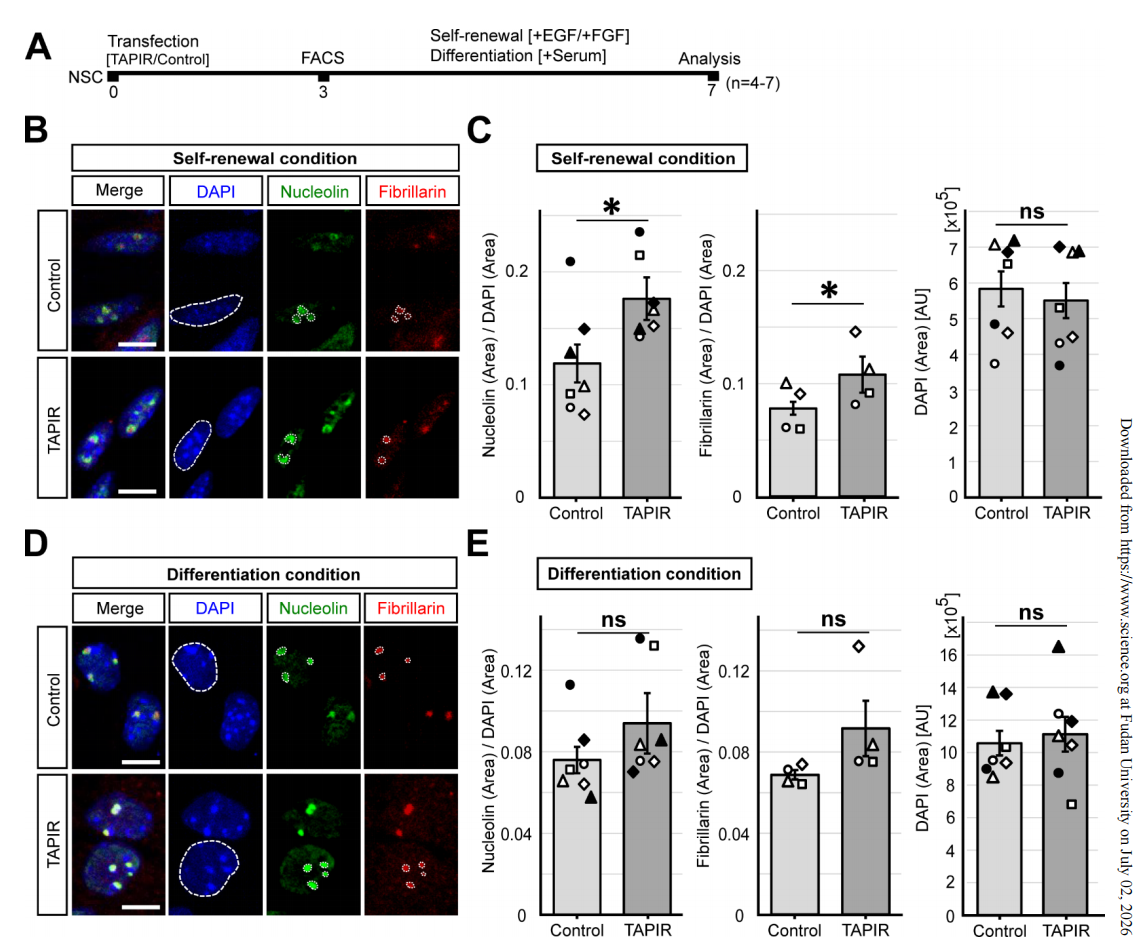
Figure 2 | TAPIR induces nucleolar expansion in neural stem cells
The nucleolus is the primary site for rRNA transcription and ribosome biogenesis. The study shows that after TAPIR activates rRNA transcription, the size of the cell nucleolus increases, along with a rise in overall protein synthesis levels. This result is crucial because it indicates that rRNA levels are not merely a passive indicator. By artificially increasing rRNA transcription, the cell's translational output capacity can be actively enhanced. More importantly, this enhancement is not limited to cells with low translational capacity or in a quiescent state. The study points out thateven in rapidly proliferating cells, TAPIR can further increase protein synthesis levels.
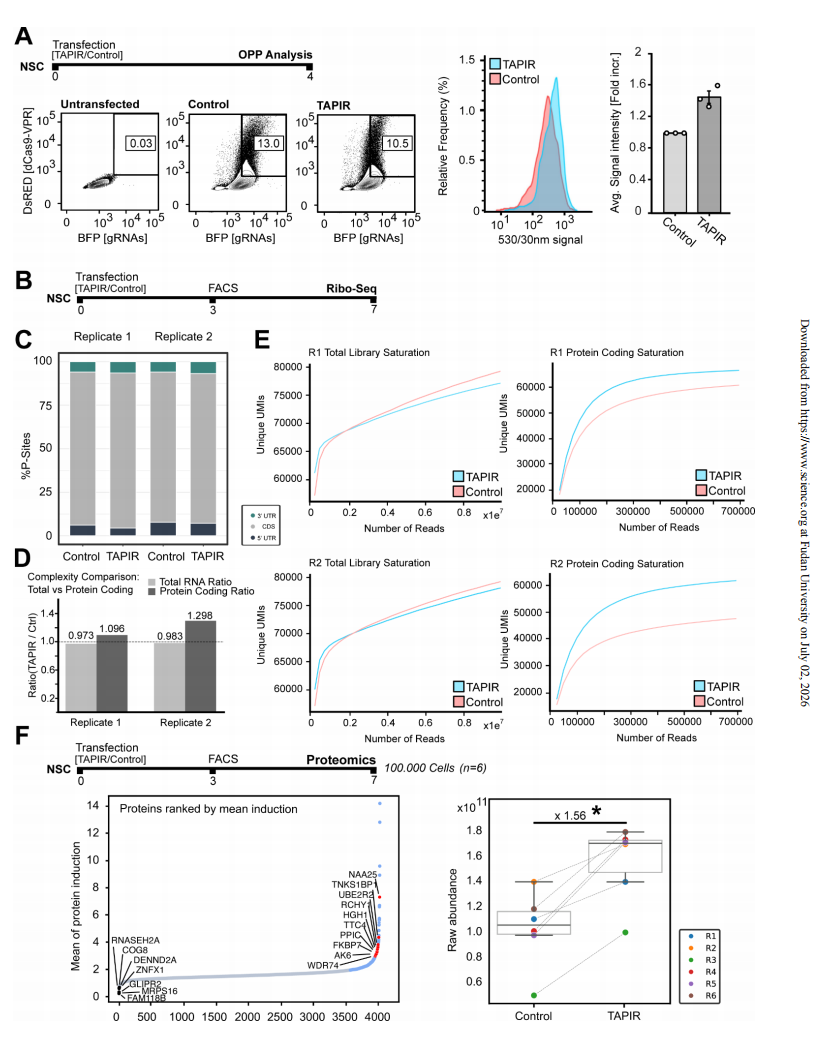
Figure 3 | TAPIR increases overall protein translation levels
This suggests:The cellular translation system is not always operating at "full capacity"; rRNA transcription may still be a limiting factor for protein synthesis capacity.
Key Finding 2: Enhancing translation capacity promotes neural stem cell self-renewal
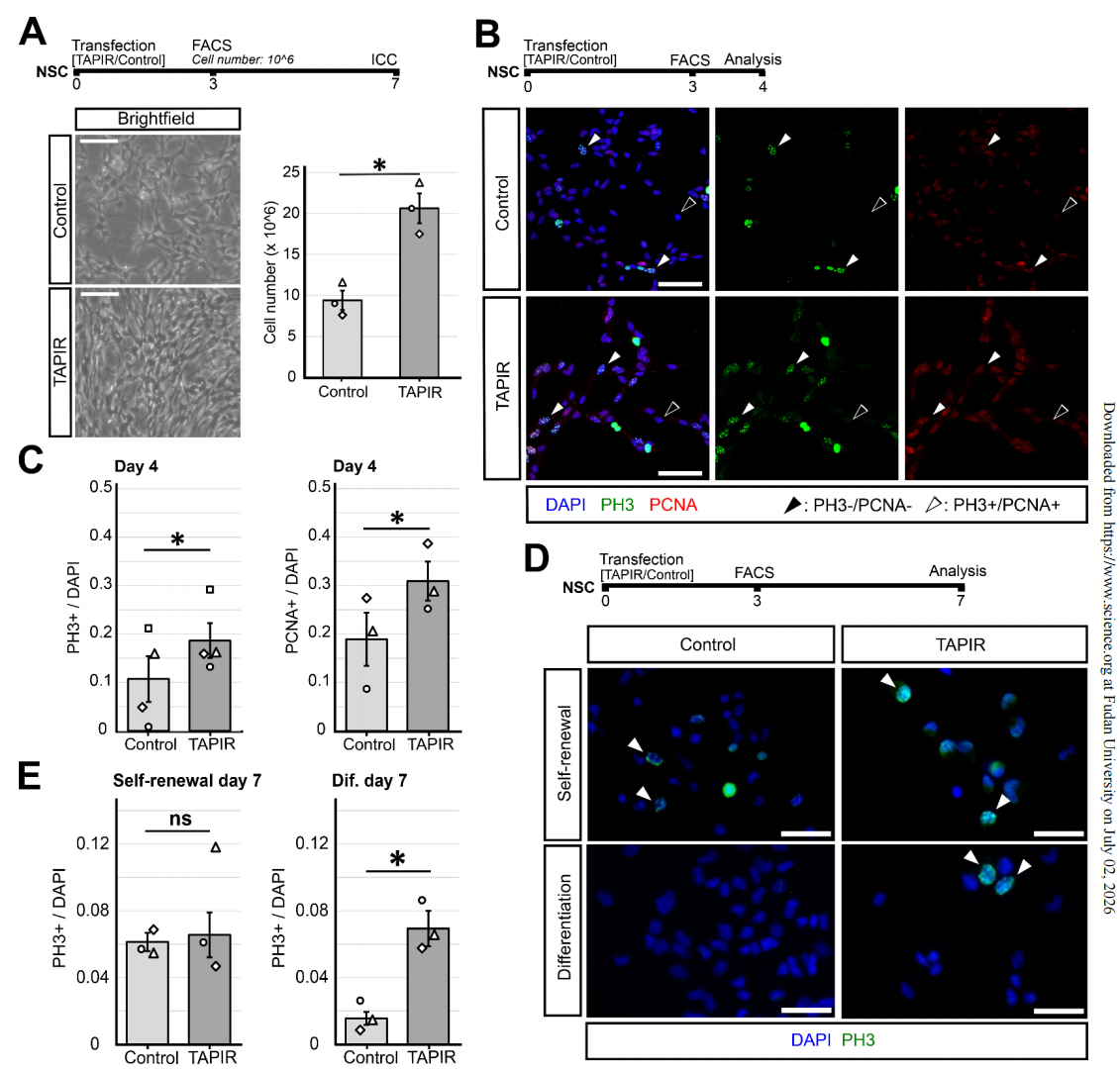
Figure 4 | TAPIR enhances the proliferative activity of neural stem cells
Stem cell fate regulation is often understood as the combined result of transcription factor networks, epigenetic states, and external signals. However, this study further demonstrates that protein translation capacity itself may be a key variable influencing stem cell behavior. In neural stem cells, after TAPIR increases rRNA levels and protein synthesis, it promotes cell self-renewal and proliferation. This effect was observed not only in in vitro experiments but also validated in in vivo models.
In other words, the study does not simply prove that "more rRNA leads to more protein translation," but further connects this change to stem cell function:Enhanced rRNA transcription → increased translation capacity → enhanced neural stem cell self-renewal ability. This provides a new perspective for stem cell biology: Whether stem cells maintain proliferation, self-renewal, or enter differentiation depends not only on which genes are turned on but also on whether the cell's overall protein synthesis capacity is sufficient to support a given state.
Key Finding 3: TAPIR can be used for disease phenotype modeling and partial rescue
Abnormal rRNA transcription is associated with various diseases, including cancer and ribosomopathies. The study further indicates that TAPIR can serve not only as a basic research tool but also for modeling and partially rescuing related disease phenotypes.
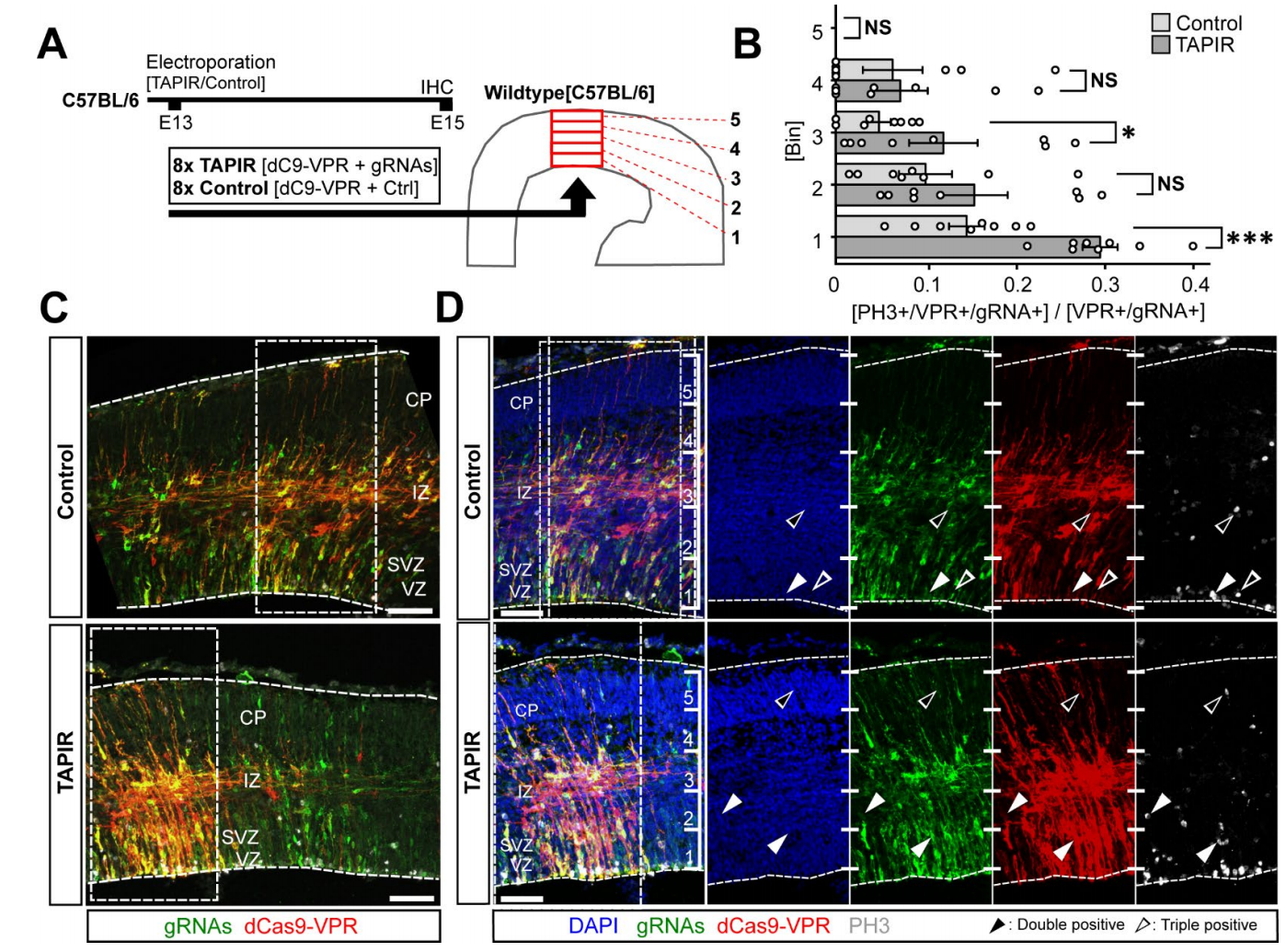
Figure 5 | TAPIR for disease phenotype modeling and partial rescue
This gives TAPIR greater potential for application. In the past, if certain diseases involved insufficient ribosome production or abnormal rRNA transcription, researchers often found it difficult to directly and controllably manipulate this process. TAPIR provides a new experimental entry point: by upregulating rRNA transcription via CRISPRa, one can observe whether the cell's translation capacity, protein expression profile, and functional phenotype are restored.
Of course, this does not mean that TAPIR itself is ready to be used directly as a therapeutic approach. The rDNA region has a complex structure, and rRNA transcription is closely linked to cell proliferation, nucleolar function, and tumor risk. A more reasonable understanding is that TAPIR provides a new tool for studying the causal relationship between "translation capacity, cell fate, and disease phenotype."
Significance of the Study
The significance of this study is not merely the proposal of a new CRISPRa tool, but rather advancing our understanding of cell fate regulation from "gene expression" to "protein translation capacity."
In the past, stem cell self-renewal, differentiation, and disease phenotypes were often attributed to transcription factor networks, signaling pathways, or epigenetic states. However, the TAPIR study suggests:Whether a cell has sufficient protein synthesis capacity may directly affect its functional state.By activating rRNA transcription, cellular ribosome biogenesis and overall translation levels are enhanced, thereby influencing the proliferation and self-renewal of neural stem cells.
From the perspective of CRISPR technology development, this also shows that CRISPR is not only used for "editing DNA sequences." Non-cutting tools like CRISPRa can regulate the transcriptional activity of specific genomic regions without introducing DNA double-strand breaks, making them useful for studying rRNA transcription, non-coding RNAs, enhancer activity, or other complex regulatory layers. TAPIR is a representative example of this "CRISPR as a regulatory platform" concept. However, enhancing rRNA transcription and protein translation is not always beneficial. Increased ribosome biogenesis and protein synthesis are also closely related to processes such as rapid cell proliferation and tumorigenesis. Therefore, if similar strategies are to be applied in the future to disease models, stem cell regulation, or regenerative medicine research, further evaluation of cell-type specificity, duration of action, dose effects, and potential safety risks is necessary.
Overall, this study provides a new perspective:Cell fate depends not only on "which genes are expressed" but also on whether the cell has sufficient translation capacity to support the corresponding functional state.
References:
Wiesbeck M. et al. Manipulation of protein translation and stem cell self-renewal by CRISPR activation of rRNA transcription. Science, 2026. DOI: 10.1126/science.aeh1348.
